100 elements system
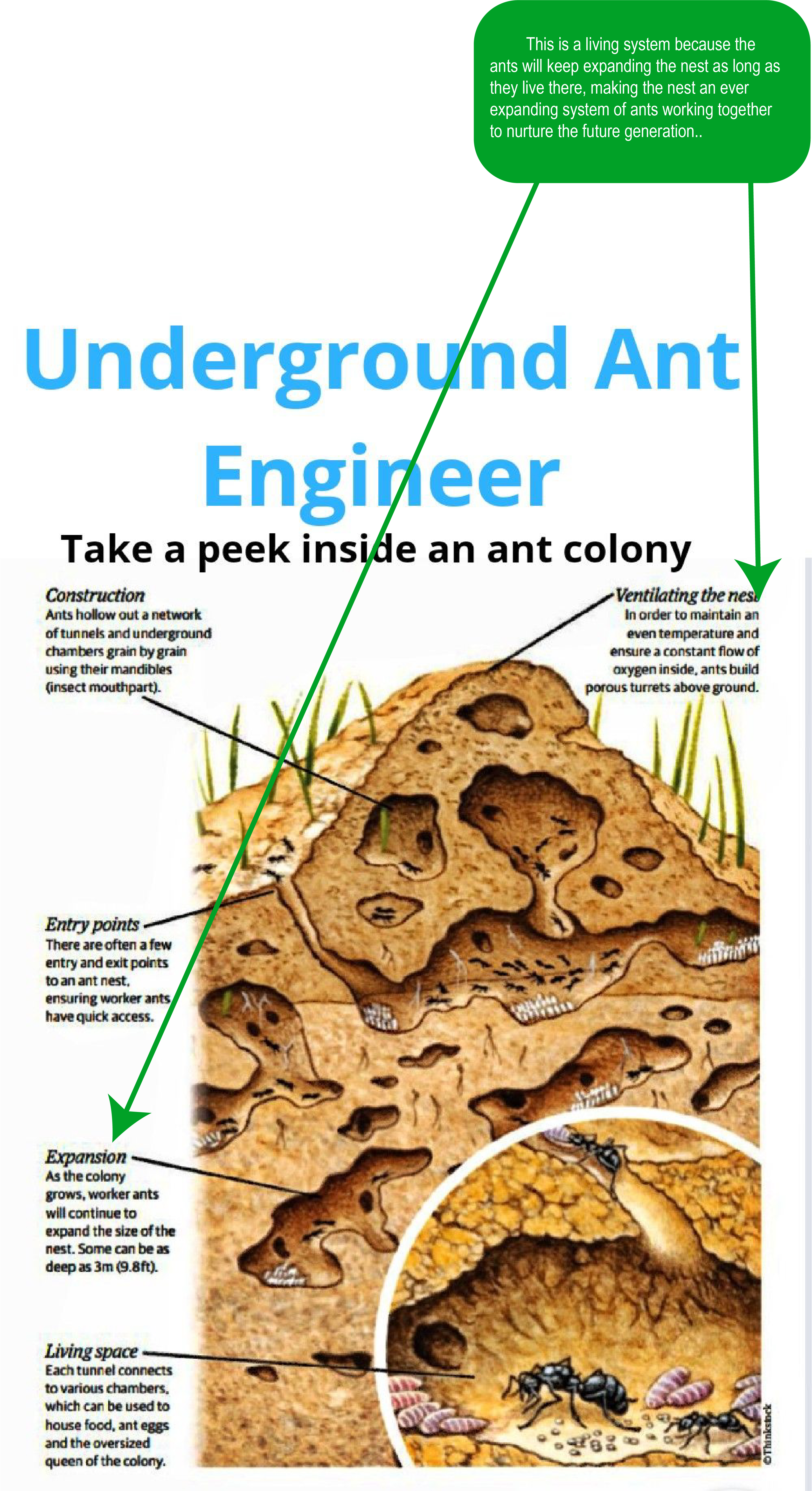
Living system
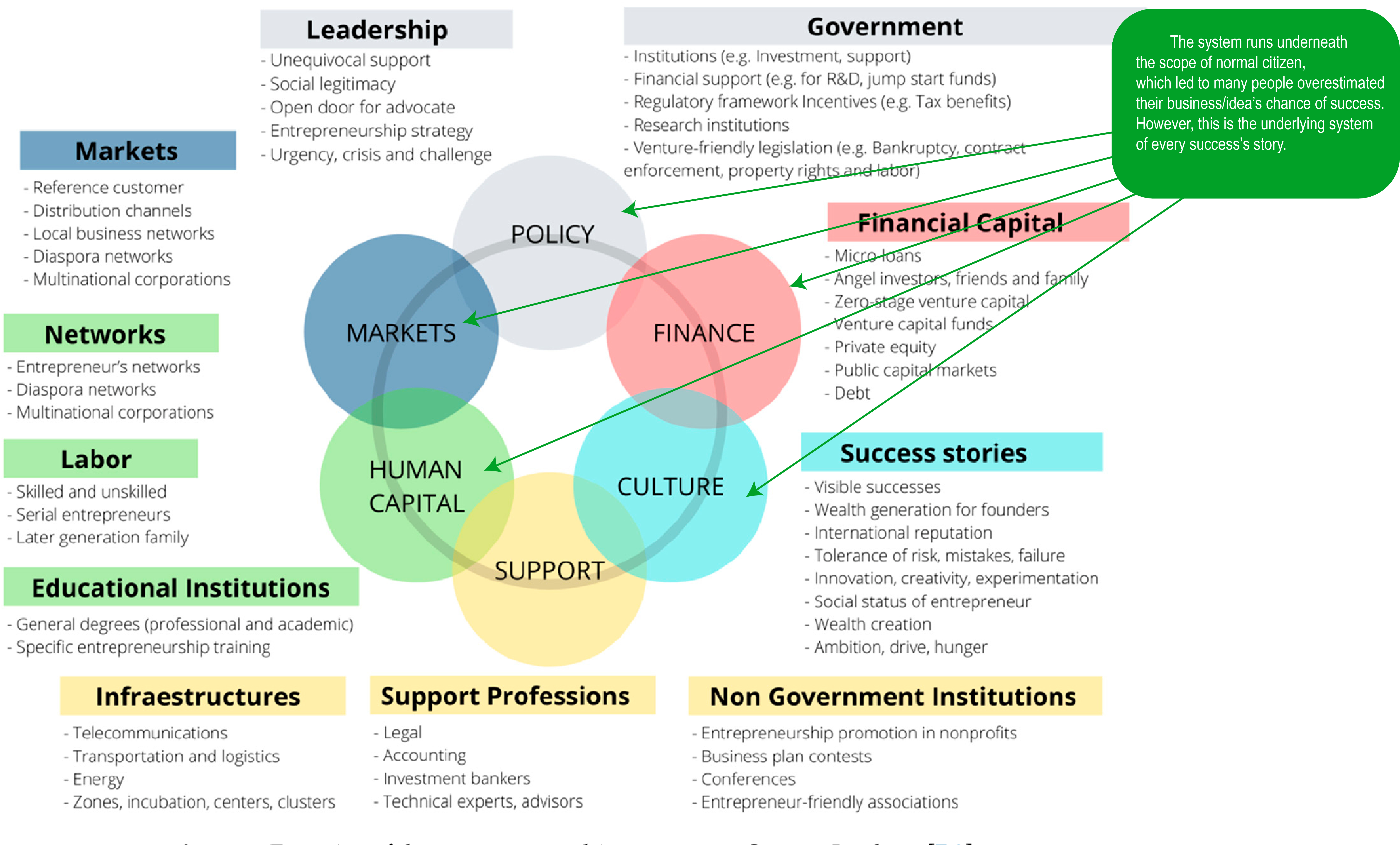
Non-physical system
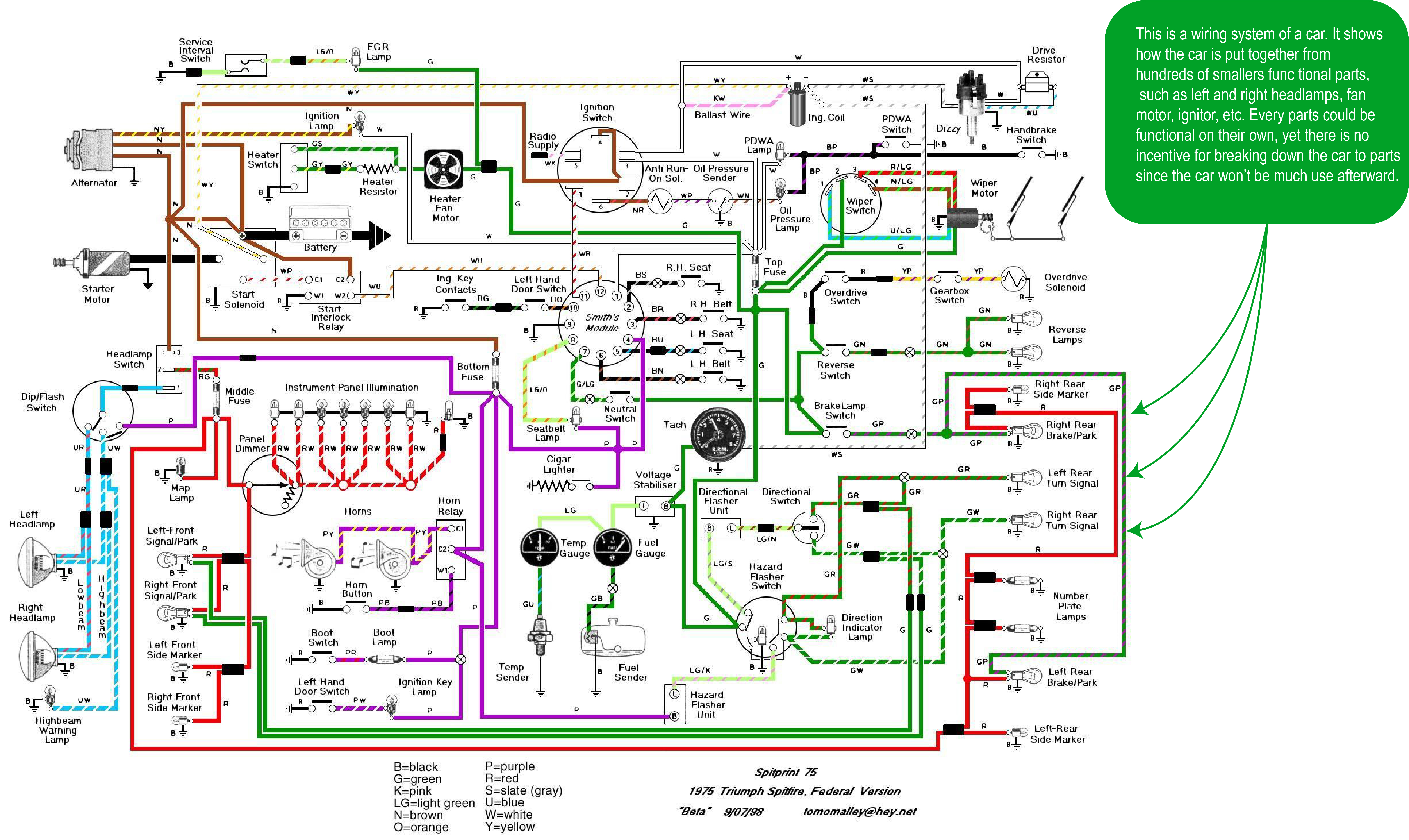
Modular system
A set of interdependent parts/activities that interact together to produce a work; there is often a underlying mechanics that determine the type of system. A group of parts, or a set of activities that do not produce work is not a system.
Modularity: Refer to a flexible nature of a system's components in being rearranged, combine, upgraded.
Decomposability: Refer to a minimum viable state of a component. In a system, this refer to the most basic functional component/part.
Emergence: Refer to a bottom-up development of pattern resulted from interaction of the system's component; these interaction can be rather simple.
Chaos: Refer to a system with whose outcome/work is unpredictable upon stimulus input.
Tessellation is a geometric shape that can be repeated over and over--without any overlaps--to form a pattern. The shape can be repeated with symmetrically, asymmetrically, translationally, rotationally or by glide reflection. An example of Tessellation would be my house's Terracotta tile; other example would be window's ventilation hole's Terracotta pattern.
Modularity refers to the ability to rearrange, combine and upgrade each component of a system. Tessellation is built upon repeating a fixed geometric shape without overlapping them. In short, the opposing property of Tessellation against Modularity is its fixed, unchangeable nature.
Periodic design--or uniform design--focuses on the likeness of each basic shape. Complex design--or aperiodic design--emphasizes on change, and often refers to a complete change in degree from start to finish.