Phuc Le


Q1. From the Manovich reading, give 2 examples of user interface with a piece of technology that has a performative action or theatrical behavior. This is in context with the ideas credited to Brenda Laurel that Lev mentions in the article. They can be electronic/digital or analog but NOT a computer, video game console or smart phone. Explain why these are good examples.

Japanese toilet: Every designs aspect is designed with the focus of the good experience for people who use the toilet. The lid is auto opening and closing; the jet nozzle provide hand free aftercare so that the user doesn't need to worry about doing it themselves. In a nutshell, the toilet is designed to give the user a peace of mind when they are using the toilet.

Smart house: One of many example that demonstrate the gamification of this technology is the auto-light that turns on or off with motion detection (hands, walking in/out of the room) or clapping.


Q2. Also from the Manovich reading, Lev uses the term Gesamtkunstwerk. What does this term mean and how is he referring to the aestheticization of information tools?

Gesamtkunstwerk refers to an act of engaging the senses, such as sight, hearing, touch, taste. Manovich states that the aestheticization of information tools is the shift from focusing on goods and service to user's experience.


Q3. From the RadioLab Podcast, the guest podcast artist is sharing his radio show called 99% invisible. The first piece is about sound design. What would you describe the role of the sound designer and how does it relate to this idea of theatre and performance?

Role of sound designer: Use audio cue to engage and enhance the investment of the audiences in the radio show. This is similar to theater and performance in a way that audiences could do just fine without the audio cue, but with audio cue, they have a much better experience due to feeling more entertained and engaged, thus reinforce their attendant to the show.


Q4. From the Skeuomorphism vs. Flat Design article, what are the philosophical and visual differences between Skeuomorphism vs. Flat Design and how might this also relate to this idea of theatre and gamification or aesthetic based event described in the Lev Article?

Skeuomorphism: The use of commonly recognized imagery to invoke the sense of familiarity; in short, emphasis on creating association between a person and something. Whereas, flat design places emphasis on readability, cleanliness and minimalism; in short, the aim is to be succinct in conveying the intended information.

The way this relates to gamification is that Skeuomorphosis could potentially be used to enhance users' experience, while "Flat Design" will helps conveying message more efficiently.


Q5. Based on the Manovich reading, and following up on Q.1 ., As a group, find some images of 2 or more different examples of technologies that embodies for you the authors idea of how interfaces to early electronics or machine systems were designed in the past. Specifically look for examples from 1950's,60's, and 70's, (..not 1980's and 90's...). Explain why these are good examples. Then list 2 or more more images of examples of technology that embody the authors ideas of how interfaces are today. Again, explain why these are good examples. Please include images and text description for each example you are refering to. At least 2 images minimum per person from a group. For example a group of 3 should have 6 images. Share these images as a group in discord, and then publish your images on your readings website.

Old techs
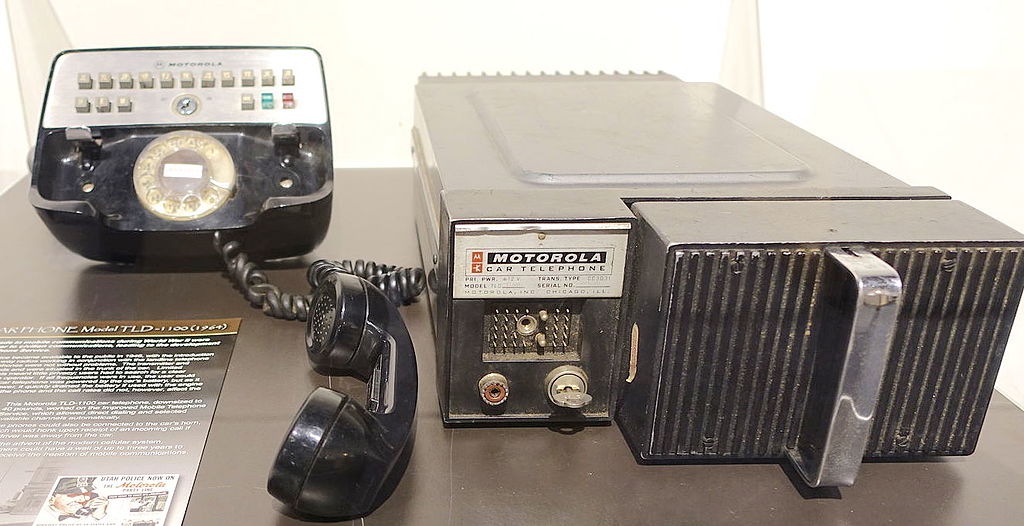
car phone

Car Phone

It is as it sounds--a phone for car. It has no UI, only the dial and buttons that serve dialing phone numbers. No gamification to be found.
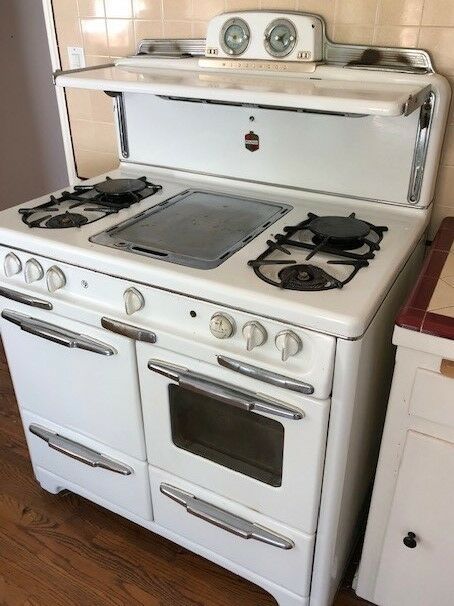

stove

Stove

Simple and function over form: The white coating so housewifes (the 50s) can easily spot stain and dirty spot; dials knobs. No gamification to be found either.


New techs
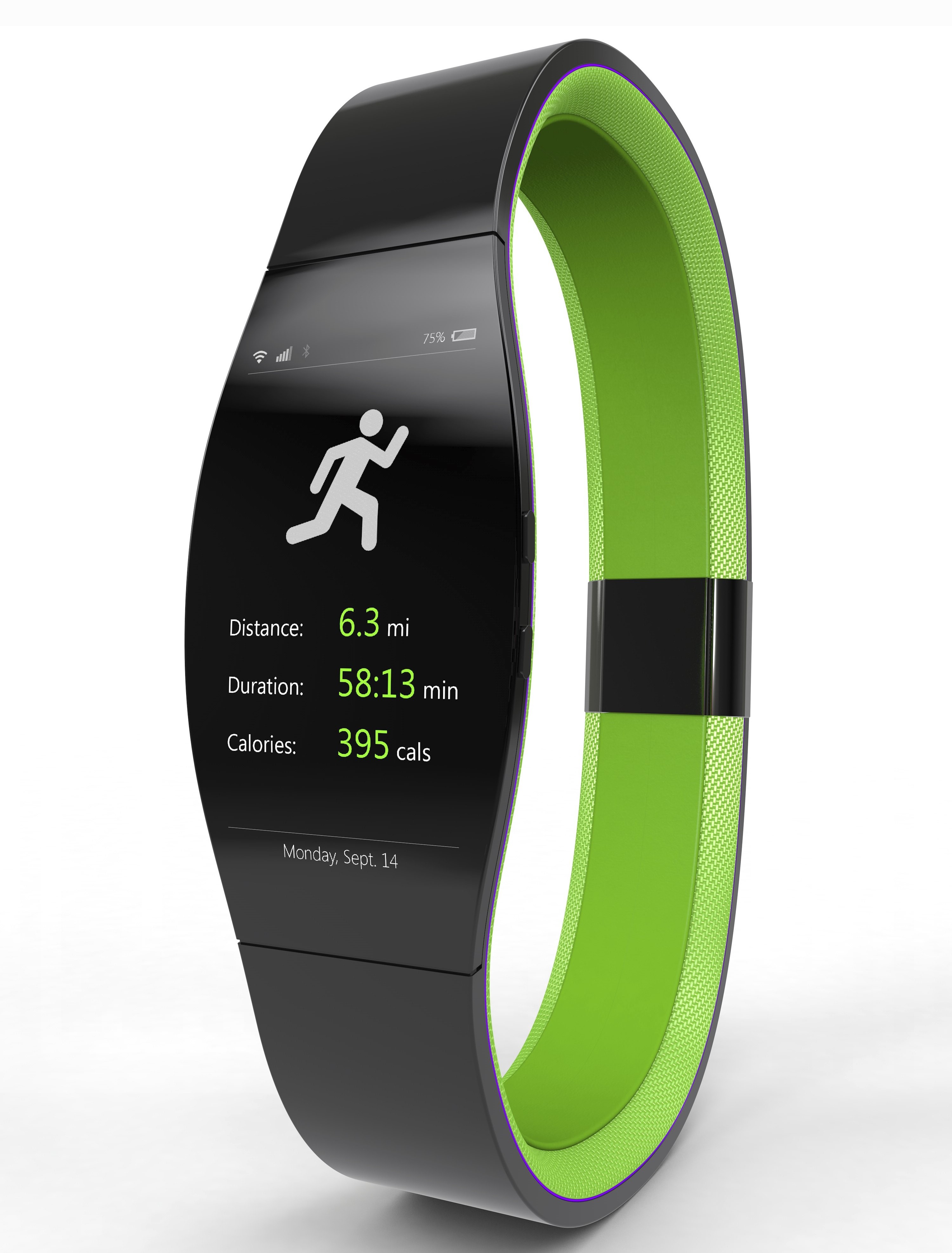
fitbit

Fitbit

Gamify your average watch: Sleek-flat design, multiple scroll screen and interactive touch-screen. This technology has many gamification and aestheticization implemented in it.


car phone

Beat headphone

Aestheticized to shows "style": This designed is aimed at bringing a experience over quality (according to my reviews when I was browsing for headphone). When in-use, the "b" shape is lid with the beat to serve to enchance user's experience when using the product.


Q6. As a group, please come up with examples of two different kind of technology that normally don't have this interface design or 'consideration' mentioned in the reading and podcast, but could benefit from this 'theatrifaction' or 'gamification' idea of its interface. Please describe what would you suggest doing to it to change it.

Calendar

Calendar could benefit from gamification since people often forget to look at calendar. More important stuffs would get done.


Q7. Jer Thorp Discussion.

TBA